The Pantanal
The world's largest tropical wetland
A vast floodplain shared by Brazil, Bolivia and Paraguay, with forests, wet meadows and nearly a hundred rivers. It is one of the best places on Earth to see wildlife in the open.
The Pantanal fills every year with water that flows down from the cerrado highlands, then slowly drains again. That cycle shapes everything: where the animals gather, which roads are open, and what you will see on your trip.
Since the 1980s, old cattle ranches along the Transpantaneira have opened their doors to visitors. Each has its own character, and our guides work with all of them, choosing the lodges that fit each traveller.
When to go
Every season is worth seeing
Flood season runs roughly from December to May and the dry season from June to November, with the ebb of the waters in between.
From October
Rains and flood
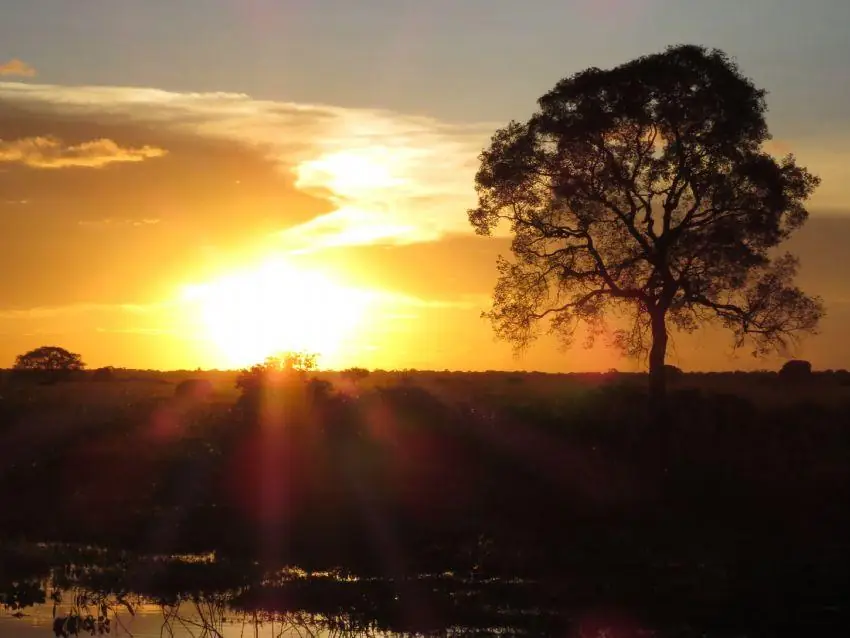
The first rains fall in October. Rivers overflow and the plain slowly fills, sometimes rising 2 to 5 metres. Animals crowd onto forest islands, caimans bask on the dry patches and the flooded landscape mirrors the sky at sunset. Some trips go by boat or on horseback, and in places there are many insects.
From April
The ebb
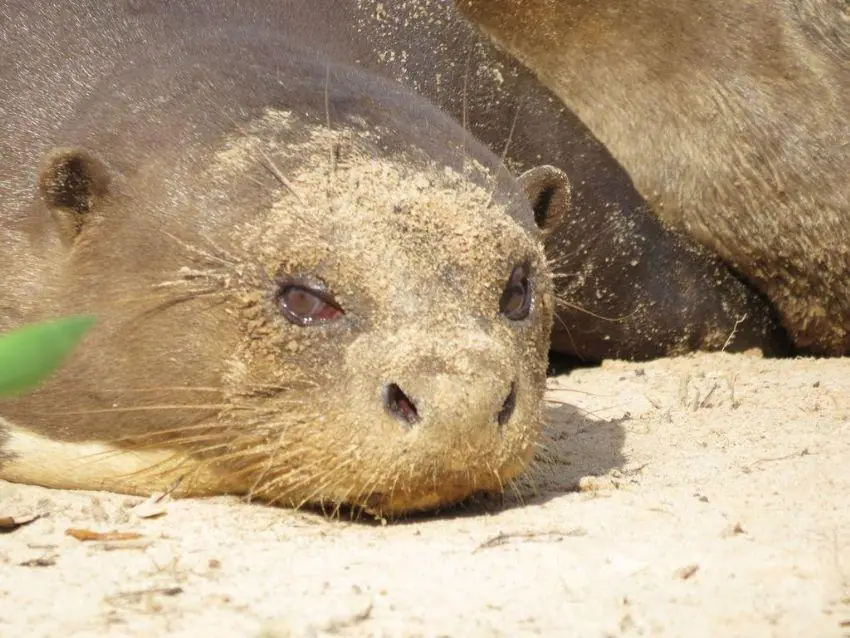
The rain stops and the water recedes, leaving small lakes full of trapped fish. Birds, caimans and giant otters gather to feed. Many consider this the best time for birdwatching and photography, with flowering trees and butterflies everywhere.
Dry season
Dry
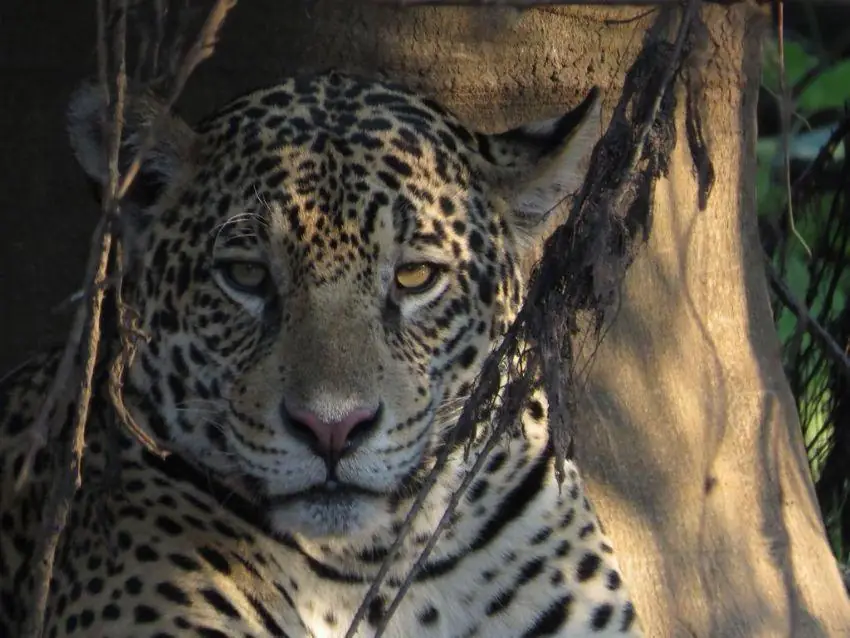
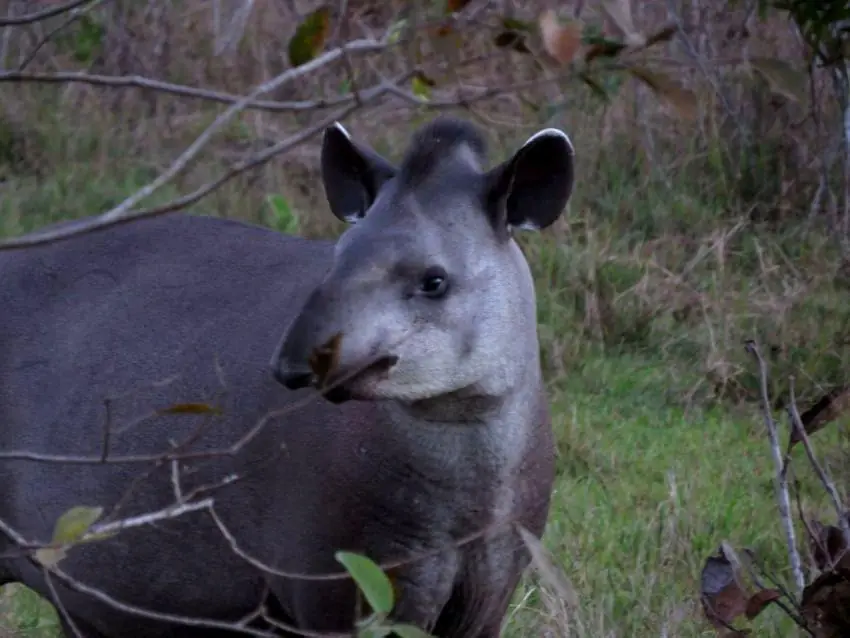
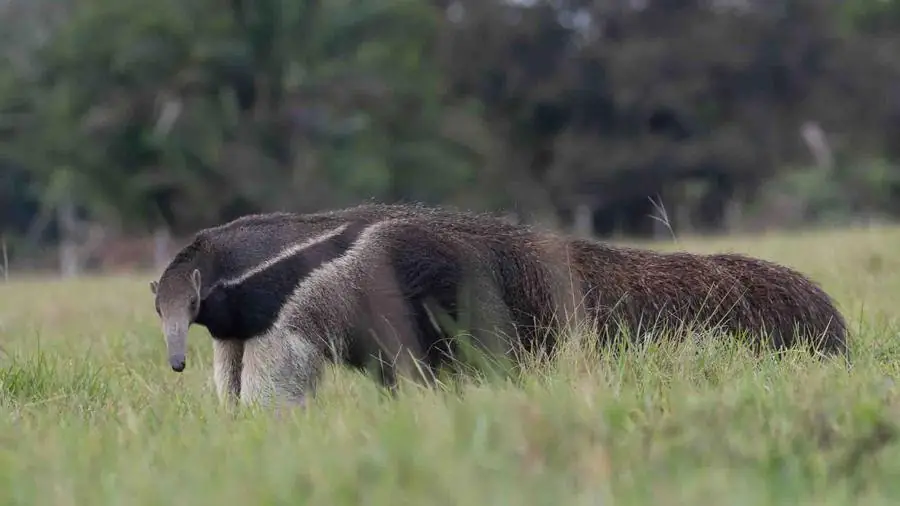
The ponds shrink, and jaguars move to the river banks to hunt. This is the best time to see them. Rheas, coatis, deer, anteaters and tapirs are easy to find in the open, temperatures are high and there are very few insects.
What you do on a trip
Activities
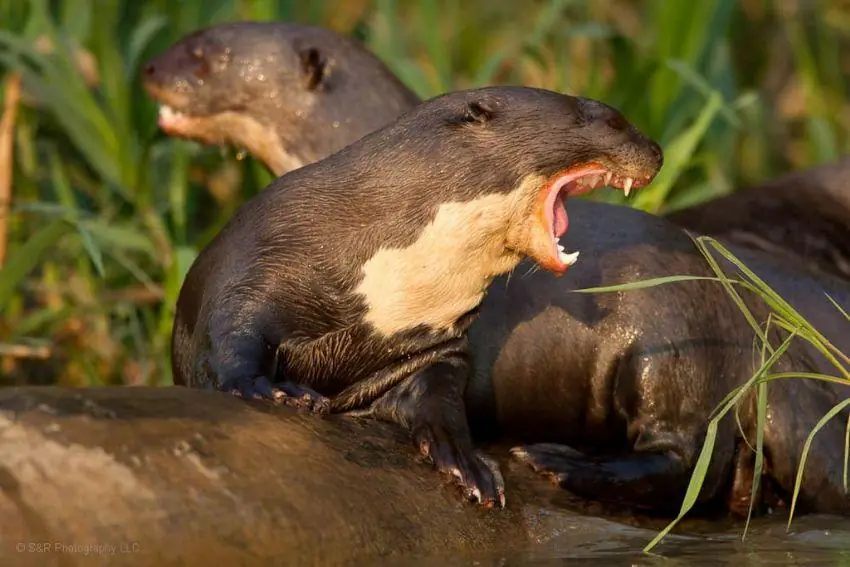
Boat trips
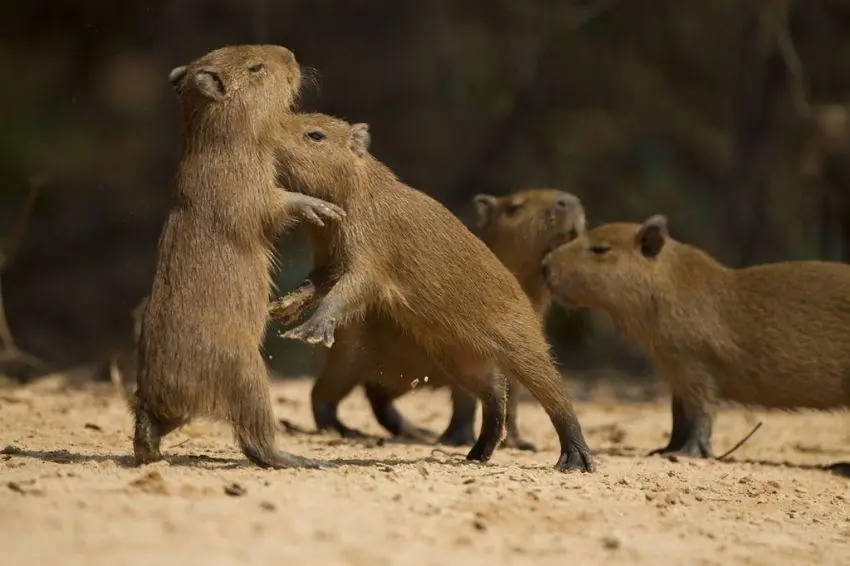
The best chance to see the giant otter, the largest otter in the world. Caimans and capybaras are guaranteed, and you might come face to face with a jaguar. Kingfishers, egrets, herons, anhingas and terns fly overhead.
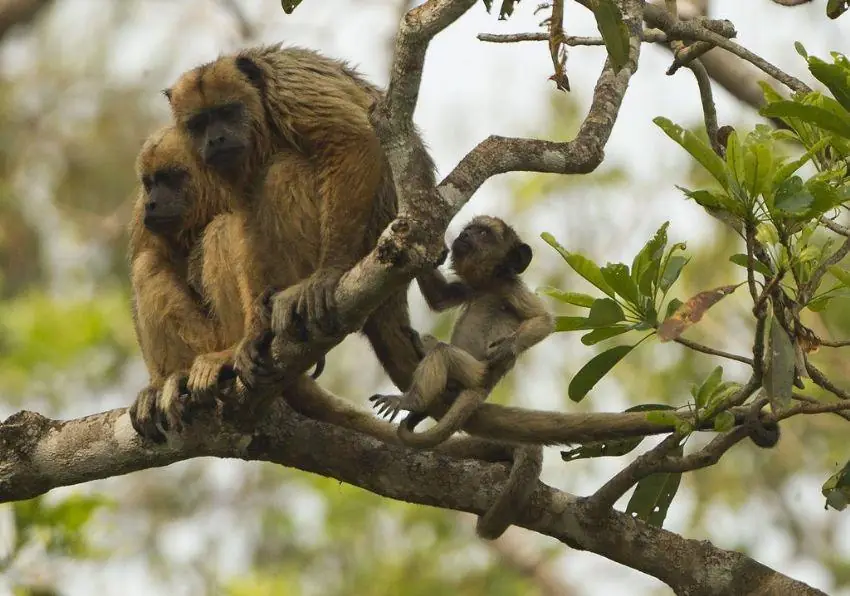
Walks
Savannah, wetland and woodland trails with coatis, armadillos, marmosets, howler and capuchin monkeys, and endemic birds such as the Mato Grosso antbird.
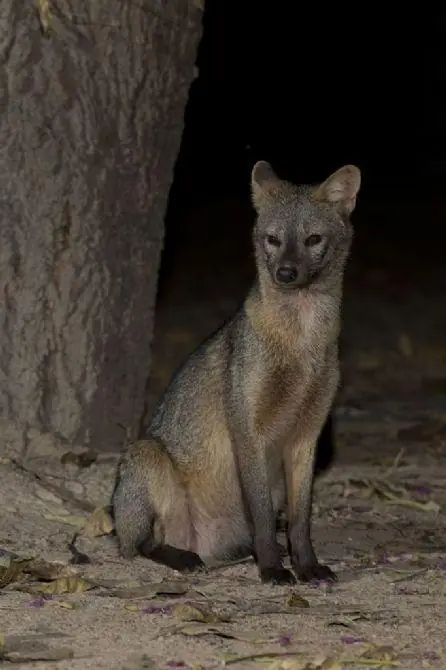
Night safaris
As night falls, brocket deer, ocelots, tapirs, foxes and anteaters start to move. We search with a spotlight from the vehicle, and owls, potoos and nightjars are easy to find.
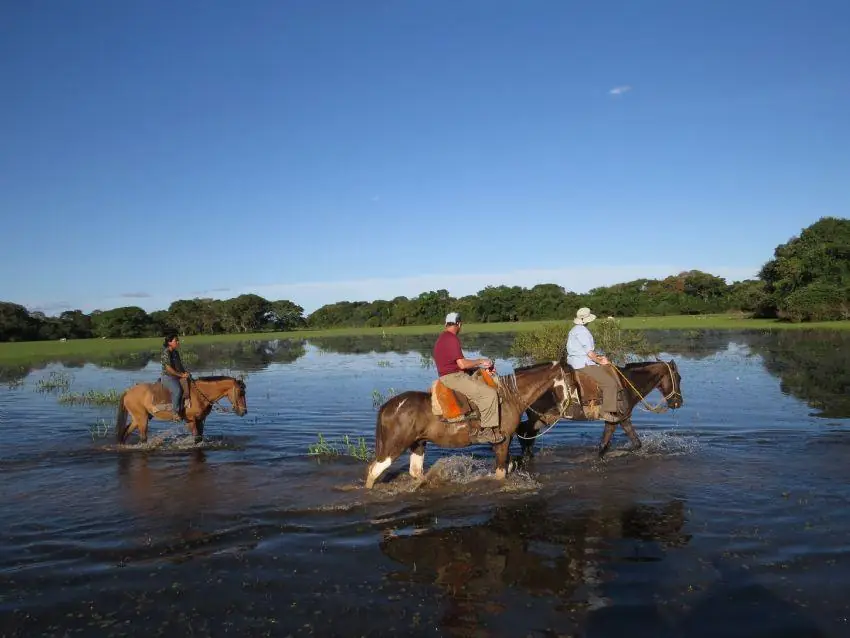
Horseback riding
Pantaneiro horses are calm and used to water, so they take you through flooded fields you could not reach on foot, with an experienced local guide.
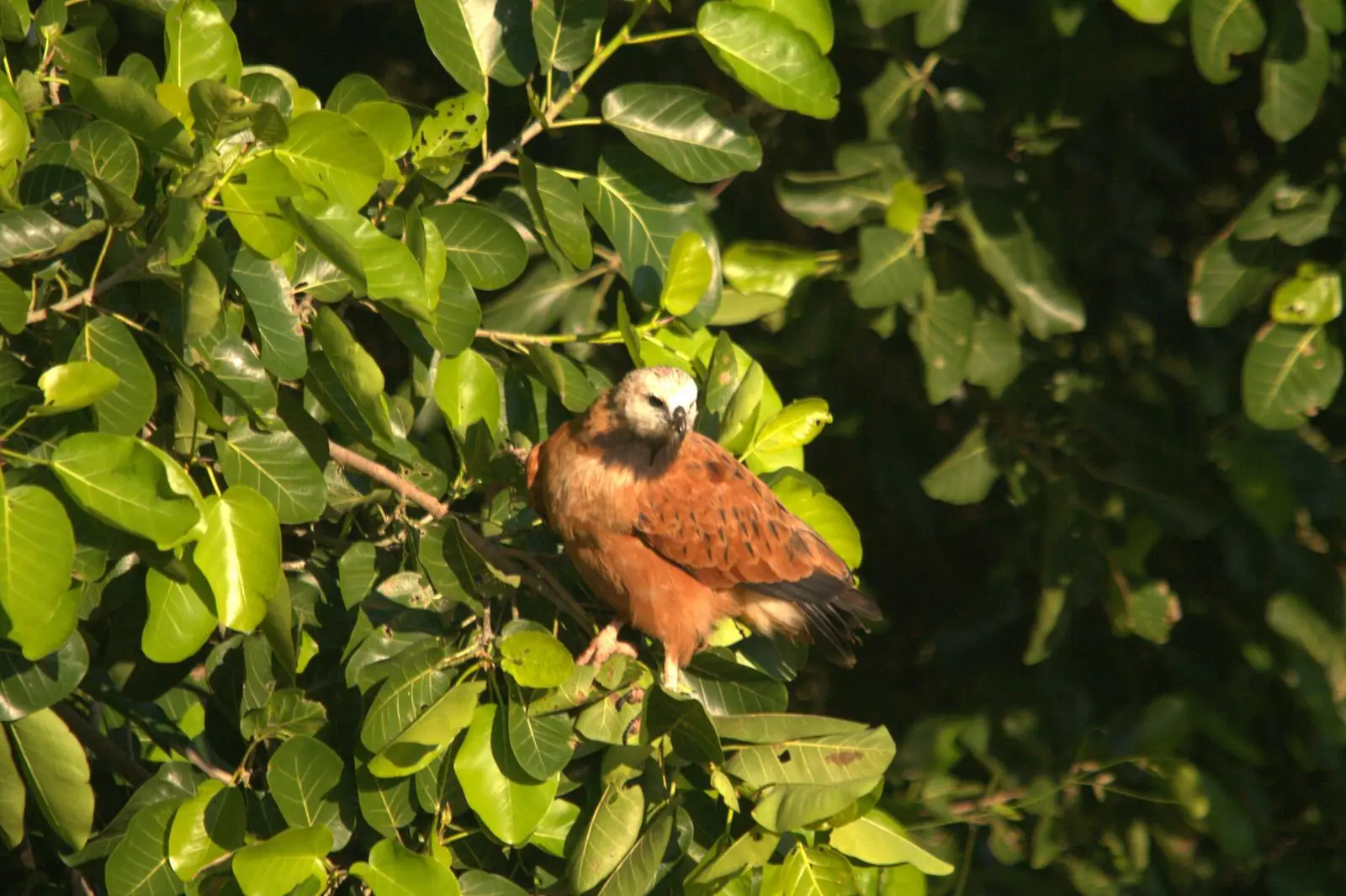
Birdwatching
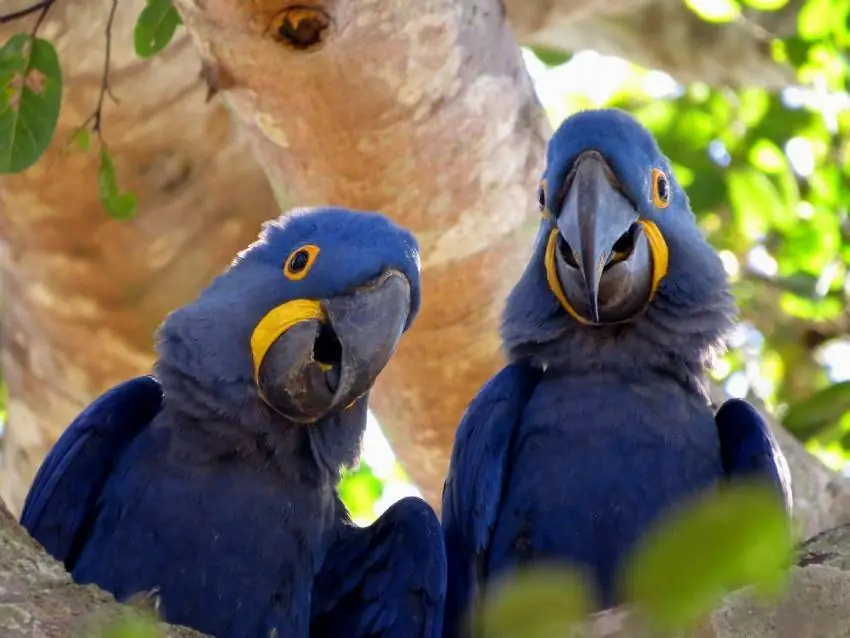
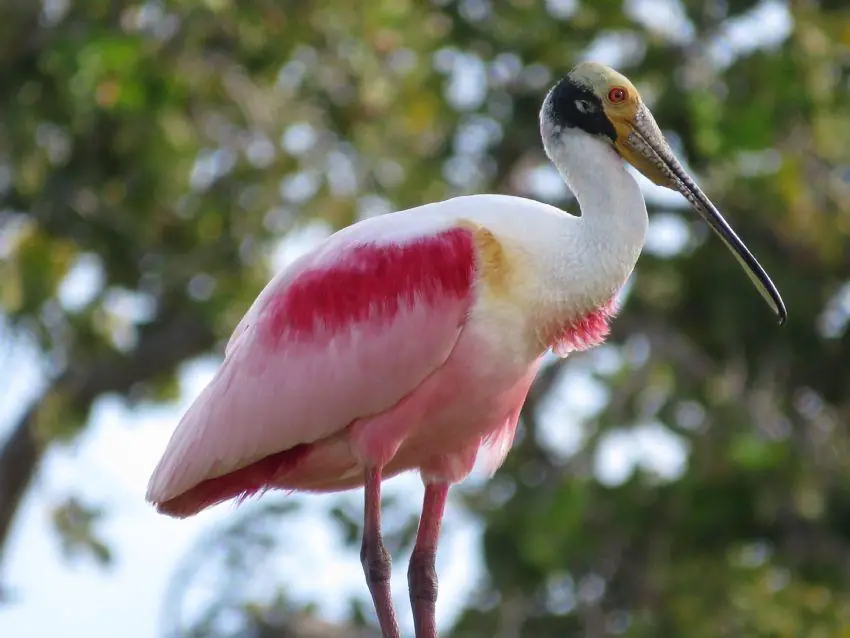
Hundreds of species, including hyacinth macaws, jabirus and the Pantanal's resident specialities. One couple counted about 215 species on a nine-day trip with our guides.
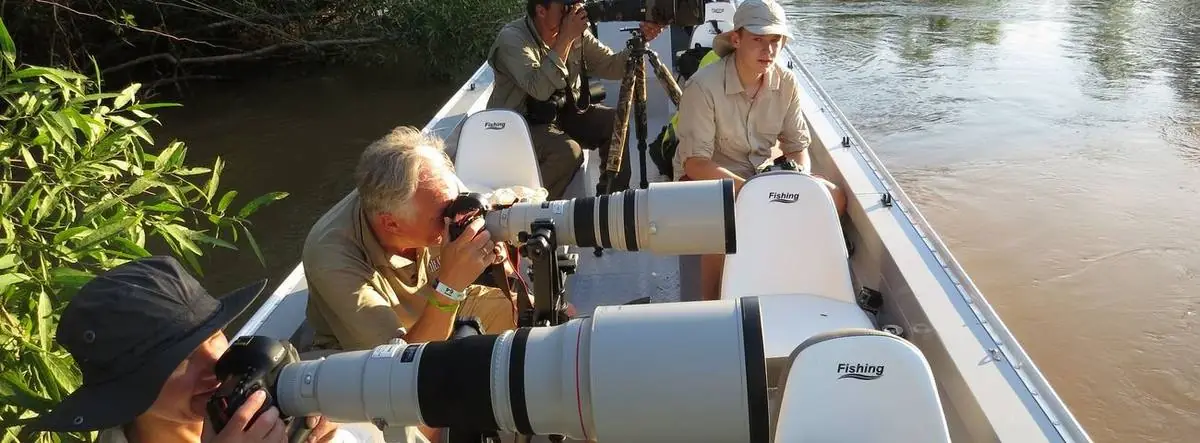
Photography
Animals, landscapes and sunsets. Our guides help you find the best spots and wait for the right light.
Who you are likely to meet
Photographed by our guests